
 See Our Latest Article on HelloNation
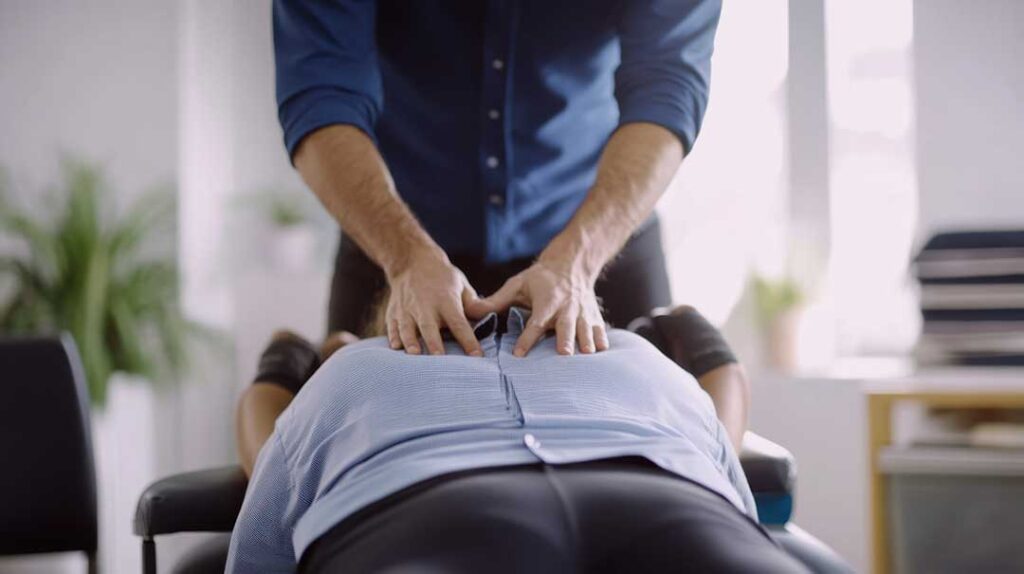
What is the Graston Technique?
The Graston Technique is a form of instrument-assisted soft-tissue mobilization, often abbreviated as IASTM. It uses smooth, handheld tools along with manual treatment to assess and work on muscles, tendons, fascia, and other soft tissues.
The instruments do not cut the skin or “scrape out” a blockage. Instead, a trained clinician glides the tool over selected areas with controlled pressure and direction. Treatment may be considered for discomfort, stiffness, reduced movement, or soft-tissue problems affecting areas such as the shoulder, elbow, wrist, hip, knee, ankle, or back.
In chiropractic care, this method is generally used as one part of a broader plan rather than as a replacement for evaluation, exercise, movement coaching, or other appropriate care.
How is the technique performed?
A typical session begins with a health history and physical assessment. The clinician may check movement, tenderness, muscle tension, joint function, and the way symptoms change with activity.
During treatment, a small amount of lotion or another lubricant may be applied so the instrument can move smoothly across the skin. The clinician may use the tool:
- Along the length of a muscle or tendon
- Across a region of suspected stiffness
- Around, but not directly over, a healing injury
- In combination with stretching or active movement
The pressure should be controlled and adjusted to the person’s response. A treatment area may feel warm, sensitive, or mildly uncomfortable, but sharp pain, numbness, burning, or worsening symptoms should not be ignored.
Some people notice temporary redness, tenderness, or bruising afterward. These effects do not prove that damaged tissue was “broken up,” and the amount of bruising is not a reliable measure of treatment quality.
What conditions might it be used for?
IASTM may be considered for selected musculoskeletal complaints, including persistent muscle tightness, tendon-related pain, scar-related restrictions, or limited range of motion. In Harrison, seasonal changes can also affect activity patterns: people may spend more time indoors during colder months, then increase walking, running, yard work, or recreational activity as conditions improve. Sudden changes in workload can contribute to stiffness or overuse symptoms.
The technique may be discussed for concerns such as:
- Tennis elbow or other elbow tendon problems
- Shoulder stiffness
- Calf or hamstring tightness
- Achilles or patellar tendon symptoms
- Scar-related loss of movement after healing
- Certain forms of neck or back discomfort
- Limited motion after periods of reduced activity
These examples do not mean the technique is appropriate for every case. Similar symptoms can result from nerve irritation, joint disease, fracture, infection, vascular problems, or other conditions that require a different evaluation.
Does it actually break up scar tissue?
That description is common, but it is too simple. The instruments may help a clinician identify areas of altered tissue sensitivity or restricted movement, and treatment may influence pain perception, muscle tone, or short-term mobility. However, research does not establish that the tool mechanically breaks apart adhesions in the straightforward way that some explanations suggest.
A 2016 systematic review found limited and inconsistent evidence, with some short-term gains in joint motion but unclear benefit for common musculoskeletal conditions. Later reviews have reached different conclusions. Some report possible reductions in pain and improvements in self-reported function, while others find that the evidence is low or very low certainty and does not show clinically meaningful advantages over other active treatments. ([pubmed.ncbi.nlm.nih.gov](https://pubmed.ncbi.nlm.nih.gov/27713575/?utm_source=openai))
The practical takeaway is that any benefit may come from several factors working together, including touch, movement, changes in sensitivity, stretching, exercise, and the natural course of recovery. It should not be presented as a guaranteed method for removing scar tissue.
How strong is the evidence for back pain?
Evidence specific to back pain remains developing. A recent systematic review and meta-analysis of Graston Technique studies involving low-back and thoracic spinal pain reported possible pain reduction compared with placebo controls, but it did not find a clear improvement in disability scores or superiority over active treatments. The authors described the findings as preliminary and called for higher-quality research. ([pubmed.ncbi.nlm.nih.gov](https://pubmed.ncbi.nlm.nih.gov/40549553/?utm_source=openai))
That distinction matters. A person may feel temporary relief or move more comfortably after treatment without the technique treating the underlying cause of back pain. Strengthening, gradual activity, sleep, ergonomics, and education may be equally or more important depending on the problem.
Who should be cautious or avoid it?
Instrument-assisted treatment may be unsuitable over open wounds, active skin infections, fresh surgical sites, acute fractures, or areas with significant swelling or unexplained inflammation. Extra caution may be needed for people with bleeding disorders, reduced sensation, fragile skin, circulation problems, or medications that increase bleeding risk.
A person should disclose relevant medical history before treatment, including:
- Blood-thinning medication
- A history of unusual bruising or bleeding
- Recent surgery or injections
- Skin disease or infection
- Numbness or impaired sensation
- Suspected blood-clot symptoms
- Cancer treatment or a serious systemic illness
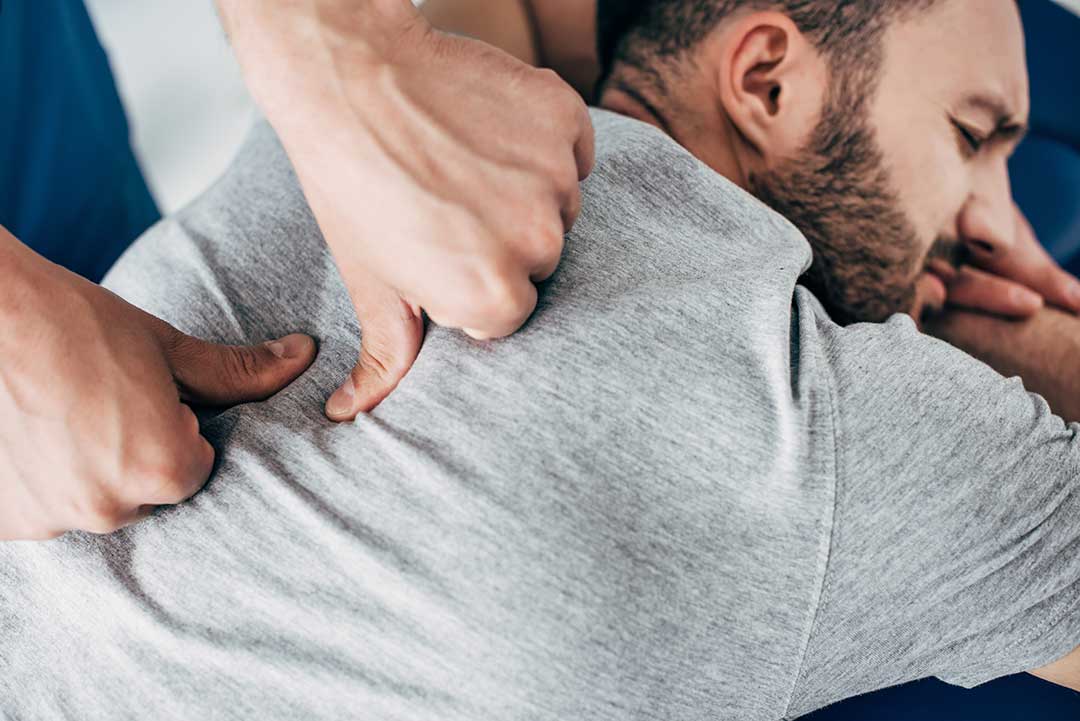
New weakness, loss of bladder or bowel control, fever with severe pain, unexplained weight loss, chest symptoms, or major trauma are not routine soft-tissue complaints. Those symptoms require prompt medical assessment rather than a trial of manual treatment.
What should a reasonable treatment plan include?
The technique is most sensible when it is tied to a clear goal. That goal might be improving shoulder movement, allowing a gradual return to walking, reducing tenderness around a tendon, or making exercise easier.
A balanced plan may include:
- An explanation of the suspected problem
- A measurable movement or function goal
- Active exercise and progressive loading when appropriate
- Guidance about modifying aggravating activities
- Reassessment after a limited trial
- A change in strategy if symptoms do not improve
Passive treatment can sometimes make movement more comfortable, but long-term recovery usually depends on restoring useful strength, coordination, confidence, and tolerance for everyday activity. In a community with a mix of desk work, commuting, household maintenance, and seasonal outdoor activity, the most meaningful measure is often whether a person can safely resume needed tasks—not whether the treated area looks red afterward.
What questions should residents ask before treatment?
Useful questions include:
- What specific problem is this treatment intended to address?
- What findings support using an instrument rather than exercise or another approach?
- What should be felt during and after treatment?
- What bruising or soreness would be considered excessive?
- What active exercises will accompany the treatment?
- How will progress be measured?
- What would indicate that a different evaluation is needed?
The Graston Technique can be a reasonable adjunct for some soft-tissue complaints, but it is not a universal treatment and should not be judged by dramatic sensations or bruising. The strongest approach is individualized, cautious, and centered on function, safety, and evidence-informed movement.
