
 See Our Latest Article on HelloNation
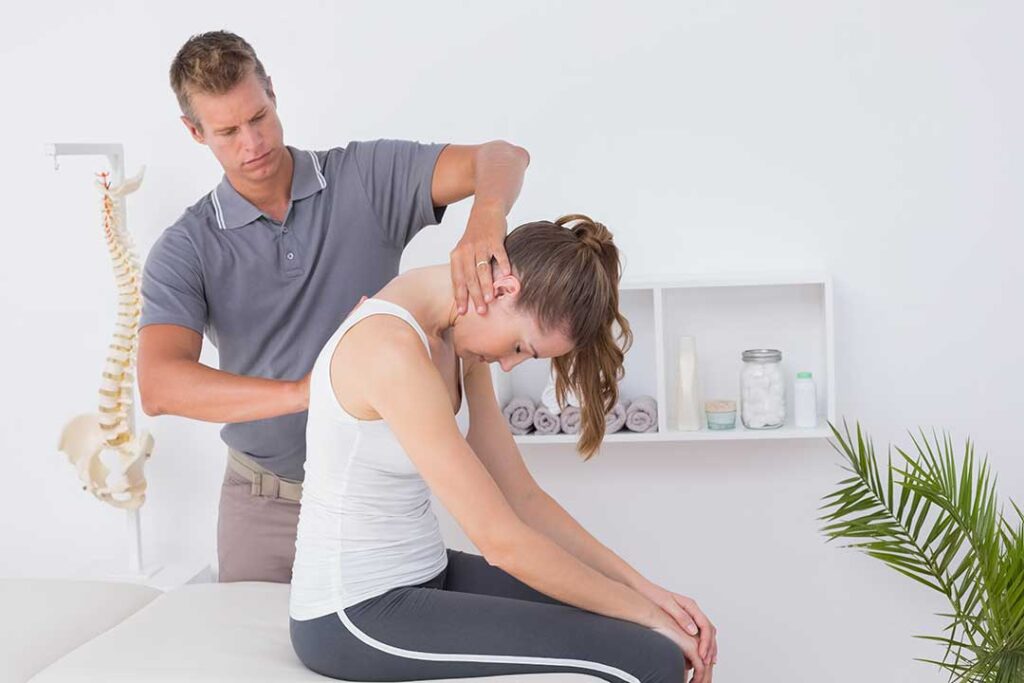
Chiropractic wellness plans are structured approaches that may combine spinal manipulation, mobility work, exercise guidance, and self-management education over time. For residents of Harrison, NY, the most useful way to evaluate a plan is not by the number of visits promised, but by whether it helps maintain function, supports daily activity, and adapts to changing health needs.
A wellness plan should be based on an individual’s symptoms, goals, medical history, activity level, and response to care. It should also include periodic reassessment rather than continuing automatically without evidence of benefit.
What does a chiropractic wellness plan usually include?
A chiropractic wellness plan may include hands-on treatment, movement instruction, posture or lifting education, and recommendations for maintaining strength and flexibility. Spinal manipulation is one possible component, but chiropractic care does not have to rely on manipulation alone.
A thoughtful plan may address:
- Current pain, stiffness, or restricted movement
- Work, commuting, recreational, and household activities
- Strength, balance, flexibility, and coordination
- Sleep habits and positions that aggravate symptoms
- Home exercises and strategies for managing flare-ups
- Progress over time, including whether daily function is improving
The purpose should be practical. For example, a person may want to walk comfortably, work at a desk without increasing neck pain, return to gardening, or lift household items with better control.
What are the potential long-term benefits?
The strongest potential benefit is improved function, especially when hands-on care is combined with exercise and active self-management. Research summarized by the National Center for Complementary and Integrative Health indicates that spinal manipulation may provide small improvements in pain and function for some people with chronic low-back pain, with benefits sometimes continuing for several months. ([nccih.nih.gov](https://www.nccih.nih.gov/health/spinal-manipulation-what-you-need-to-know?utm_source=openai))
Possible long-term benefits include:
Better movement tolerance
Repeated, carefully selected movement can help a person become more comfortable with walking, bending, reaching, or rotating. This may be particularly useful after a period of inactivity caused by pain.
Greater confidence with physical activity
Pain can lead people to avoid normal movement. Education and gradual activity may reduce fear of movement and help residents resume ordinary tasks without treating every sensation as a sign of damage.
Fewer disruptions from recurring symptoms
Some people experience recurring episodes of back or neck discomfort. A wellness plan may help identify contributing factors, such as sudden increases in activity, prolonged sitting, poor lifting mechanics, or inadequate recovery.
This does not mean every flare-up can be prevented. It means a person may become better prepared to respond early with appropriate movement, rest, exercise, or medical evaluation.
Reduced reliance on passive care
A useful long-term plan should not make the patient dependent on repeated treatment without learning what can be done independently. Exercise, pacing, strength development, and self-management are central parts of modern care for persistent back pain. The World Health Organization recommends a coordinated, person-centered approach that may include education, exercise, and selected physical therapies. ([who.int](https://www.who.int/publications/i/item/9789240081789?utm_source=openai))
Is ongoing care necessary if symptoms improve?
Not necessarily. Ongoing visits may be reasonable for some people, but the need should be reviewed rather than assumed.
Evidence supports spinal manipulation as one option for certain musculoskeletal problems, but it does not establish that every symptom-free person benefits from indefinite routine adjustments. The American College of Physicians lists spinal manipulation among several non-drug options for chronic low-back pain, alongside exercise and other approaches. It does not treat chiropractic care as a universal substitute for physical activity or medical assessment. ([acponline.org](https://www.acponline.org/acp-newsroom/american-college-of-physicians-issues-guideline-for-treating-nonradicular-low-back-pain?utm_source=openai))
A plan is more defensible when it has:
- Specific functional goals
- A defined trial period
- Measurable signs of progress
- Adjustments when progress stalls
- Fewer visits when self-management improves
- A clear reason for continuing care
For someone who feels well, periodic check-ins may focus more on movement habits and exercise progression than on automatic treatment.
How can local routines affect spinal health?
Daily habits in Harrison may change with the seasons. Winter conditions can reduce outdoor walking, while snow, ice, or wet surfaces may increase the risk of slips and sudden strains. Warmer months may bring more gardening, yard work, cycling, walking, or recreational activity after a relatively inactive winter.
These transitions can expose weaknesses in strength or mobility. A gradual return to activity is usually more sensible than attempting several hours of demanding work on the first warm weekend.
Long periods of sitting, whether during commuting, remote work, or household planning, may also contribute to stiffness. Short movement breaks, changing positions, and maintaining basic lower-body and trunk strength can be more valuable over time than trying to maintain a perfectly rigid posture all day.
What should a person ask before starting a plan?
Before beginning ongoing care, it is reasonable to ask:
- What condition or movement problem is being addressed?
- What outcomes will show that the plan is working?
- How will progress be measured?
- What exercises or self-care steps are part of the plan?
- When will the treatment approach be reassessed?
- What happens if symptoms do not improve?
- Could another health condition be contributing to the symptoms?
A licensed practitioner should review relevant medical history, medications, previous injuries, osteoporosis risk, recent falls, and other conditions that may affect safety. NCCIH advises patients to share health information and ask about training, expected sessions, risks, and alternatives. ([nccih.nih.gov](https://www.nccih.nih.gov/health/spinal-manipulation-what-you-need-to-know?utm_source=openai))
Are there risks or situations when chiropractic care is not appropriate?
Most reported side effects of spinal manipulation are temporary, such as soreness, stiffness, headache, or increased discomfort. Serious complications are rare, but they have been reported, and risk may be higher for people with certain underlying health problems. Neck manipulation deserves particular caution because rare artery injuries and stroke-like complications have been discussed in safety reviews. ([nccih.nih.gov](https://www.nccih.nih.gov/health/spinal-manipulation-what-you-need-to-know?utm_source=openai))
Urgent medical evaluation is more appropriate than routine wellness care when back or neck symptoms occur with:
- New or worsening weakness
- Loss of coordination or sensation
- Loss of bladder or bowel control
- Numbness in the groin or inner thighs
- Severe pain after a significant fall or collision
- Fever, unexplained weight loss, or a history of cancer
- Sudden severe headache, dizziness, difficulty speaking, or facial weakness
These signs can indicate conditions requiring prompt medical assessment.
How should long-term success be judged?
Success should be measured by function, not simply by how often treatment occurs. Useful measures may include walking distance, sleep quality, work tolerance, lifting ability, exercise participation, and the frequency or severity of flare-ups.
A wellness plan is most useful when it helps a person understand the body, stay active within safe limits, and make informed decisions when symptoms change. Chiropractic treatment may be one part of that process, but long-term musculoskeletal health generally depends on a broader combination of movement, strength, recovery, medical coordination, and realistic daily habits.
