
 See Our Latest Article on HelloNation
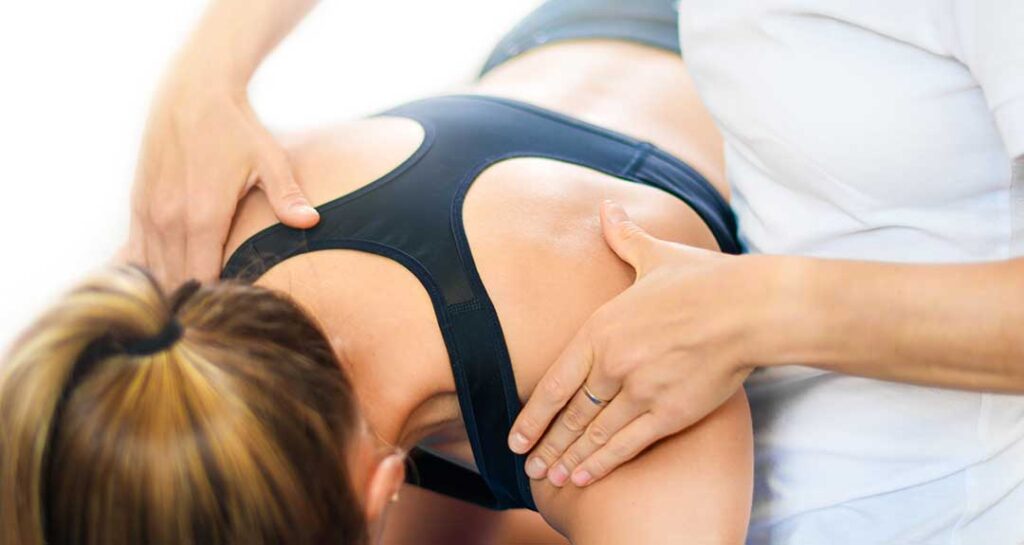
Pregnancy-related back pain is common, but severe, persistent, or unusual pain should not automatically be dismissed as a normal pregnancy symptom. For residents of Harrison, NY, safe relief usually begins with gentle movement, supportive positioning, heat or cold used carefully, and communication with an obstetric care provider when symptoms change or interfere with daily activities.
Why does pregnancy cause back pain?
Pregnancy can shift the body’s center of gravity forward, stretch the abdominal muscles, increase the workload on the spine, and place additional stress on the pelvis and lower back. Pregnancy hormones also loosen pelvic ligaments, which can make some joints feel less stable. ([acog.org](https://www.acog.org/womens-health/faqs/back-pain-during-pregnancy?utm_source=openai))
Pain may be felt in the lower back, buttocks, hips, or the area around the pelvic joints. Pregnancy-related pelvic girdle pain can become more noticeable while walking, climbing stairs, turning in bed, standing on one leg, or getting in and out of a car. ([nhs.uk](https://www.nhs.uk/pregnancy/common-symptoms/pelvic-pain/?utm_source=openai))
A useful distinction is whether the discomfort is mild and related to activity or whether it is severe, worsening, constant, or accompanied by other symptoms. Pain that changes suddenly deserves more attention than ordinary muscle fatigue at the end of a long day.
What positions can reduce strain?
Changing position regularly is often more helpful than trying to hold one “perfect” posture. Sitting with the back supported and both feet on the floor can reduce slouching. If standing for a long time, placing one foot on a low step and switching sides may reduce strain on the lower back. ([acog.org](https://www.acog.org/womens-health/faqs/back-pain-during-pregnancy?utm_source=openai))
For sleep, side-lying with a pillow between the knees may improve comfort. A second pillow under the abdomen or a full-length body pillow can provide additional support as the pregnancy progresses. ([acog.org](https://www.acog.org/womens-health/faqs/back-pain-during-pregnancy?utm_source=openai))
During later pregnancy, avoid remaining flat on the back for extended periods, particularly during exercise, because the weight of the uterus can affect blood return to the heart and cause lightheadedness. ([acog.org](https://www.acog.org/clinical/clinical-guidance/committee-opinion/articles/2020/04/physical-activity-and-exercise-during-pregnancy-and-the-postpartum-period?utm_source=openai))
Household routines can also affect symptoms. On icy or wet days in Harrison, NY, shorter trips, supportive footwear, and avoiding uneven outdoor surfaces may help limit slips, sudden twisting, and overexertion. Do not carry heavy bags over slippery walkways or stairs.
Is walking or exercise safe?
For many people with an uncomplicated pregnancy, gentle activity can help maintain the strength and mobility needed to support the back. Walking, swimming, water exercise, prenatal movement classes, and carefully selected strengthening exercises may be useful. A conversation with an obstetric provider should come before starting a new exercise routine or changing an existing one. ([acog.org](https://www.acog.org/womens-health/faqs/back-pain-during-pregnancy?utm_source=openai))
Exercise should feel controlled rather than painful. A practical approach is to use the “talk test”: if carrying on a conversation is difficult, the intensity may be too high. Stay hydrated, avoid overheating, and progress gradually if activity was limited before pregnancy. ([acog.org](https://www.acog.org/clinical/clinical-guidance/committee-opinion/articles/2020/04/physical-activity-and-exercise-during-pregnancy-and-the-postpartum-period?utm_source=openai))
One commonly recommended movement is a gentle all-fours back exercise:
- Begin with hands under the shoulders and knees under the hips.
- Lightly engage the abdominal muscles while keeping the spine comfortable.
- Slowly round the back without forcing the movement.
- Return to a neutral position.
- Repeat only within a pain-free range.
Stop if the movement causes pain, dizziness, abdominal discomfort, or new symptoms. Exercises that are appropriate for one pregnancy may not be appropriate for another, especially when there are complications or pelvic girdle symptoms.
How can heat, cold, and daily habits help?
A warm bath or low-temperature heating pad may soothe tight muscles. If using a heating pad or warm water bottle, keep the setting low, place fabric between the heat source and skin, and limit use to short periods to reduce the risk of burns or overheating. Cold packs wrapped in a towel may also calm localized soreness. ([nhs.uk](https://www.nhs.uk/pregnancy/common-symptoms/back-pain/?utm_source=openai))
Other practical habits include:
- Bend at the knees and keep the back relatively straight when lifting.
- Avoid lifting heavy objects whenever possible.
- Turn by moving the feet instead of twisting through the spine.
- Wear supportive, comfortable shoes.
- Divide groceries or household items between two lighter bags rather than one heavy bag.
- Sit down to dress instead of balancing on one leg.
- Keep the knees together when getting into or out of a car if pelvic movement is painful. ([nhs.uk](https://www.nhs.uk/pregnancy/common-symptoms/pelvic-pain/?utm_source=openai))
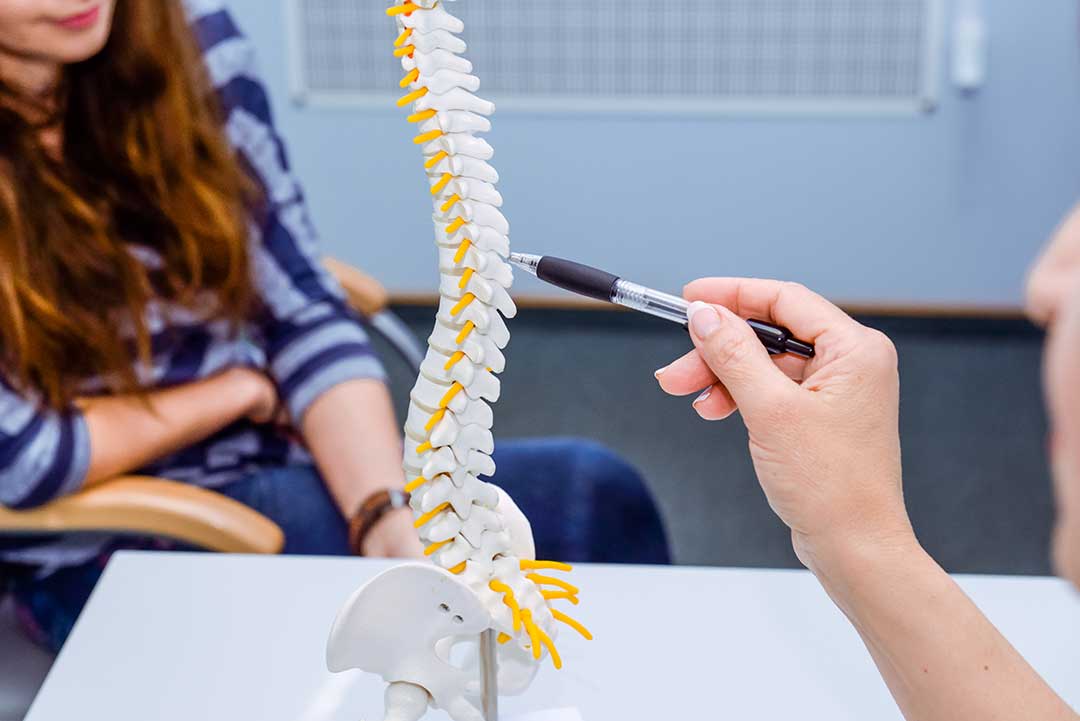
These measures are intended to reduce irritation, not to force the body into a rigid posture. Frequent short movement breaks are generally preferable to long periods of sitting or standing.
Can a chiropractor help with pregnancy back pain?
Some pregnant patients consider chiropractic care, physical therapy, massage, or other hands-on approaches. The key safety issue is individual assessment. Any manual treatment should be discussed with the pregnancy care team, particularly when pain is new, severe, radiates down a leg, follows a fall, or is associated with pelvic girdle pain.
A qualified provider should know how to modify positioning and techniques for pregnancy. Forceful manipulation, aggressive stretching, or treatment that increases pain is not appropriate. Physical therapy may be recommended when pelvic pain makes walking, stairs, bed mobility, or car transfers difficult. Early evaluation can help identify movement strategies, exercises, or support devices that may improve function. ([nhs.uk](https://www.nhs.uk/pregnancy/common-symptoms/pelvic-pain/?utm_source=openai))
Pain relief medication should also be reviewed with an obstetric provider. Even commonly used nonprescription medicines may not be appropriate for every pregnancy or medical history. Follow individualized medical instructions rather than relying on a general internet recommendation.
When is back pain during pregnancy a warning sign?
Contact an obstetric care provider promptly for severe pain, pain lasting more than two weeks, or pain that keeps worsening. Back pain accompanied by fever, burning during urination, vaginal bleeding, fluid leakage, regular painful contractions, or pain under the ribs may indicate a condition requiring medical evaluation. ([nhs.uk](https://www.nhs.uk/pregnancy/common-symptoms/back-pain/?utm_source=openai))
Stop exercising and seek medical guidance for symptoms such as dizziness, chest pain, unusual shortness of breath, abdominal pain, calf pain or swelling, muscle weakness affecting balance, or vaginal bleeding. ([acog.org](https://www.acog.org/clinical/clinical-guidance/committee-opinion/articles/2020/04/physical-activity-and-exercise-during-pregnancy-and-the-postpartum-period?utm_source=openai))
Loss of feeling in the legs, buttocks, or genital area requires immediate medical attention. New weakness, difficulty controlling bladder or bowel function, or significant pain after a fall should also be treated as urgent concerns.
Back pain is often manageable during pregnancy, but safe relief depends on the cause, stage of pregnancy, and overall health. Gentle activity, supportive positioning, cautious use of warmth or cold, and timely medical advice provide a safer foundation than pushing through pain or assuming every symptom is routine.
